
How to Build a Swim Training Plan That Actually Adapts
Learn how to create adaptable swim training plans that balance goals, time, recovery, technique, and real-world performance data.
Start With a Flexible Training Framework
An effective swim training plan begins with a clear goal, but it should not treat every week as identical. Decide whether your priority is improving endurance, increasing speed, refining technique, preparing for a triathlon, or simply swimming consistently. Then factor in practical constraints such as available training days, session length, pool length, and current ability. A swimmer with three 30-minute sessions needs a different structure from someone with five 60-minute workouts.
Build each session around a simple framework: warm-up, technique or skill work, a primary set, and a cooldown. This creates consistency without making your schedule rigid. Structured swim workouts might include aerobic intervals on one day, threshold work on another, and relaxed technique practice later in the week. Keep the framework stable, but adjust distances, send-offs, or repetitions as your fitness changes. Tools such as SwimCue Coach can generate sessions around your goals and deliver timed cues, making a progressive plan easier to follow without repeatedly checking the clock or pool deck.
Adjust Volume, Intensity, and Rest Using Real Feedback
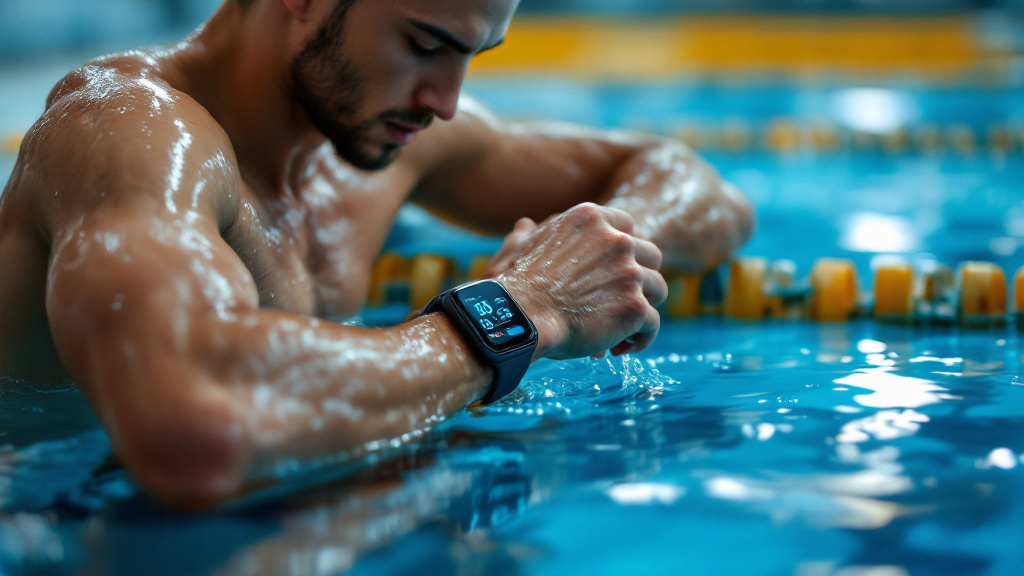
Progression is not simply adding more meters every week. Training load should rise gradually, but the right adjustment depends on how your body responds. If a swimmer completes intervals comfortably with consistent technique and moderate perceived effort, adding a repeat, extending the main set, or slightly reducing rest may be appropriate. If pace fades, strokes become inefficient, or effort feels unusually high, hold the volume steady or reduce intensity instead.
Use practical signals alongside wearable data: sleep quality, muscle soreness, motivation, breathing control, and how well you maintained the target pace. Recovery is part of swimming progression, not a sign of weakness. On a fatigued day, replace hard intervals with easy aerobic swimming and drills, increase rest, or shorten the session. On a strong day, progress carefully rather than chasing an unplanned maximal effort. Audio coaching can help by announcing interval starts, rest periods, and pace changes, while completed-lap data provides a useful record for deciding what to modify next.
Turn Completed Sessions Into the Next Progression
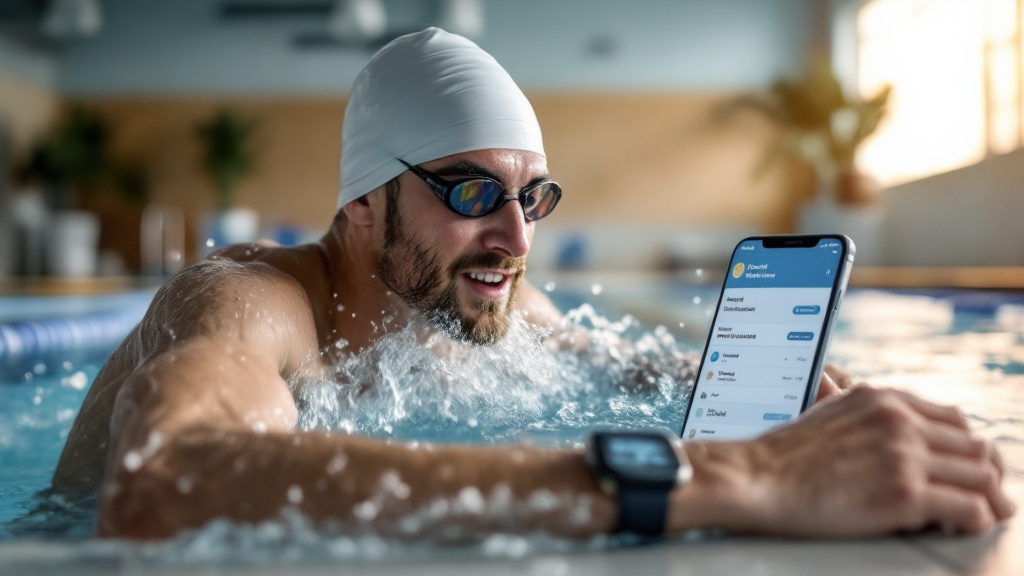
The most adaptable swim training plans use each completed workout as information for the next one. After a session, record distance, interval times, stroke quality, rest taken, perceived effort, and any technique issues. Look for patterns over several workouts rather than reacting to one unusually good or difficult day. If your pace is improving at the same effort, progress the main set gradually. If your times are stable but technique feels smoother, continue skill-focused work before increasing intensity.
A useful progression changes one main variable at a time: volume, pace, density, or technical complexity. For example, keep the distance constant while reducing rest slightly, then restore recovery before adding more repetitions. Beginners may prioritize consistency and comfort, while experienced swimmers can use pace targets, heart-rate data, and negative-split sets. SwimCue Coach can support this cycle by adapting future sessions from completion data, wearable metrics, and perceived effort. The result is a plan that responds to the swimmer you are today, not the swimmer a fixed calendar assumes you will be.